Wednesday, 18 March 2015

G321 - Analysing Thriller Openings: Se7en

Se7en (1995)


This institution logo is not shown in the film opening which could cause the audience to believe that the content of the film is not usually associated with the production company. It could also have been done so as to accentuate the ambiguity being created within the opening.
 
The narrative of the film is revealed as revolving around the book being created, shown through the focus on it within the opening. It is also inferred that the creator of the book is extremely important as their persona remains ambiguous throughout the opening and therefore would attract the audience as it would cause them to want to find out who the person is and why they were creating the book.

The opening of the film indicates that the genre of the film is to be thriller due to the repeated use of close ups throughout the opening. This method is a generic convention of thrillers as it helps to build mystery and ambiguity which eludes towards a complex narrative. The high contrasts of the dark against light colours also helps establish the film as a thriller.

The target audience of the film appears to be males from the ages of 18 plus. This is due to the protagonist appearing to be male as well as the complex narrative which is established which, stereotypically, would not be understood by females. The film appears to be aimed at middle  class members of society and this is made apparent through the protagonist's location in a seemingly middle class setting with attention being focused on the book and it's creation rather than the location itself.
 
The opening of the film appears to be avoiding giving out a message to the audience so as to allow their focus to be entirely consumed by the creation of the book. In this respect, it allows the audience to become encapsulated in and almost hypnotised by the seemingly rhythmic creation of the book. This is done via the use of close ups and a lack of information being revealed.

The opening sequence reveals very little about the characters in the film meaning they are likely to have ambiguous personalities. This is shown through the lack of focus on the protagonist throughout the opening. In doing this, it creates a wider interest from more age groups as no specific age group is identified and therefore increasing the potential age range of the target audience.

The setting of the film remains entirely ambiguous. This helps to establish the film as a thriller as it causes the viewer to feel isolated within the protagonist's own personal space due to not being aware of the surrounding area and what is there.
The opening represents a relatively dark side of society in an intriguing light. The use of close ups on aspects, such as drawing over a photo of somebody in marker pen, helps to build intrigue and mystery and helps to establish that the film is to begin "in media res" - that is within the action, without an establishment of an equilibrium.
 
The shots used within the opening are all very similar which insinuates that this will be mirrored within the rest of the film. The simple shots allow for a heightened sense of verisimilitude as they are realistic and the use of close ups allows the viewer to feel encapsulated within the scene.
 
The most evident theme presented in the opening is that of ambiguity due to the lack of information that the audience receives from the opening. The protagonist is still not introduced at this stage which causes their identity to become the focus of the audience's attention and therefore it can be assumed that this will be the driving force of the film.

The unnatural lighting in the opening sequence helps to create a sense of mystery as it presents the protagonist in a dark and shadowy manner. The scenes used are made to look and feel like reality despite this unnatural lighting and the high contrast which is created through the lighting aids in establishing the genre.
 
The lack of diegetic sound prevents the audience from losing focus on the book and any potential information this sequence could be giving them. The non-diegetic music which accompanies the opening scene has no lyrics and has creates a threatening atmosphere. This is a generic convention of a thriller and therefore helps to establish the genre of the film.
 
Editing within the opening is seemingly minimal, using only basic cuts to switch between clips. However, the flickering of the titles and lines across the screen would have taken a lot of time within the editing process.  It is unclear whether the editing is discontinuous or continuous during the creation of book as it is not completely clear whether the clip is chronological or jumping around in time. This creates confusion within the audience thus creating more ambiguity and eluding towards a more complex narrative.

The titles within the opening are not integrated within the opening but rather are displayed in a way which makes them stand out to the audience - white font against a black background in between other clips. They are also slightly animated and given a jerky effect which makes them suit the style of the opening.

The atmosphere created within the opening scene is one of ambiguity and intrigue, created by the protagonist's lack of identity and the limited information displayed. This atmosphere causes the audience to become intrigued by the narrative and therefore makes them more likely to watch the film.

From the evidence provided I have come to the conclusion that this opening clearly establishes the genre through the use of close ups and the rising levels of ambiguity. It also has a very high level of intrigue allowing the audience become connected with the film and place themselves in the scene. I believe that all in all the Se7en opening is successful and would entice the appropriate audience.

Tuesday, 17 March 2015

G321 - Analysing Thriller Openings: Gone Girl

Gone Girl (2014)


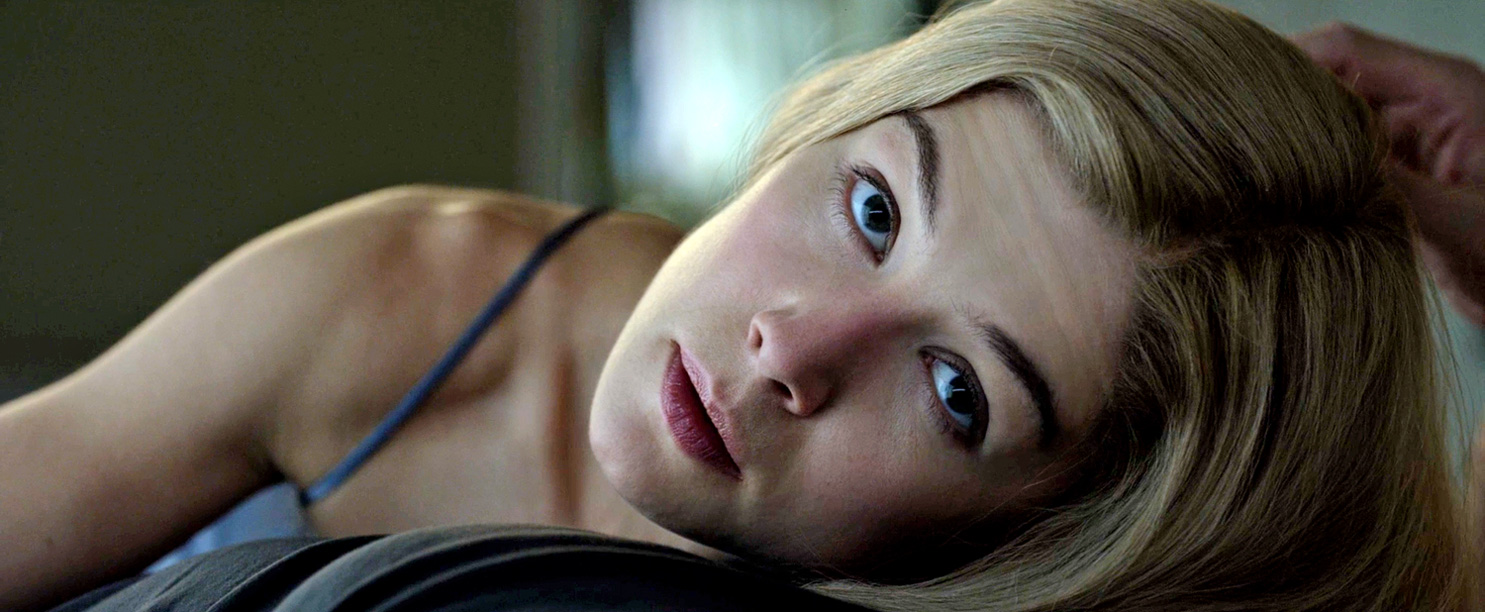
The opening of the film indicates that the genre of the film is to be thriller due to the repeated use of close ups throughout the opening. This method is a generic convention of thrillers as it helps to build mystery and ambiguity which eludes towards a complex narrative. The high contrasts of the dark against light colours also helps establish the film as a thriller.

This institution logo is not shown in the opening of Gone Girl which leads the audience to believe that doing so could create a false pretence about the content of the film. There is also the possibility that due to deriving from a book, the institutional logo has not been used so that credit for the story itself is not awarded to the wrong people.

The target audience of the film appears to be females from the ages of 18 plus. This is due to the protagonist being female which is more likely to attract a female audience. The film appears to be aimed at middle to upper class members of society and this is made apparent through the protagonist's location in a seemingly middle to upper class home.

The narrative of the film is revealed as revolving around the protagonist and her diary, shown through the focus on these aspects within the opening. It is also inferred that the use of the girl's home is to play a significant role in the narrative of the film, despite what its significance is being initially unclear.This creates ambiguity and raises questions, therefore creating intrigue within the audience.
 The opening of this film appears to be avoiding giving out a message so as to cause the audience to focus solely on what is happening within the clip and to allow the viewer to ask questions about such matters.  This is done via the use of close ups and a lack of information being revealed.
The opening sequence reveals that the characters in the film are likely to be middle class, young adults. This is shown through the protagonist's own age within the opening. In doing this, it creates a wider interest from more age groups and therefore increasing the potential age range of the target audience.
The setting of the film appears to be a modern British or American town through the representation of the protagonist and her home. Aside from this, there are no other hints towards location or setting and therefore it can only be presumed that the remainder of the film is to be based in similar settings.
The naturalistic lighting in the opening sequence helps to convey a sense of verisimilitude and causes the audience to feel involved with the scene. The scenes used are made to look and feel like reality through this naturalistic lighting despite the high contrast which is created through lightly coloured costumes and props, and a pale protagonist against dark furniture rather than through lighting and therefore the film becomes relatable to the audience, enticing the viewer to continue watching to see how the film differs from reality.
The most evident theme presented in the opening is that of ambiguity due to the lack of information that the audience receives from the opening. The simple young woman being the only character introduced at this stage causes her to become the focus of the opening and therefore the film. 
The lack of diegetic sound allows the audience to focus on the non-diegetic music which accompanies the opening scene. The lyrics of the music hint towards the narrative of the film, including "There's a knock at your door, you don't even recognise the stranger". This detracts from the verisimilitude created through the lighting and mise making it evident that it is important. This helps to make it more obvious that the film will not be as simple as it first appears.
Editing within the opening is minimal, using only basic cuts to switch between clips. Further to this, the editing is discontinuous to show changes in time and circumstance. This creates confusion within the audience and causes them to question the connection between the clips shown, thus creating more ambiguity and eluding towards a more complex narrative.

The titles within the opening are partially integrated into the opening as they do not obstruct the scene in any way yet are still evidently visible. They are extremely simple which helps with the opening's verisimilitude and the fading of the titles into the scene allows them to be overlooked.

The atmosphere created within the opening scene is one of happiness and reminiscence, created by the protagonist's smile and the apparent flashbacks to a previous time as she is writing in her diary. This atmosphere helps to create a heightened sense of reality which has already been created throughout the opening by the use of naturalistic lighting and relatable location.

The opening represents a relatively modern society in a positive light. The protagonist is presented as being a jovial person, making the modern day seem happy and peaceful. This foreshadows that there will be an upset of this equilibrium in some way later in the film due to Todorov's narrative theory.
 
The shots used within the opening are all very similar which insinuates that this will be mirrored within the rest of the film. The simple shots allow for the heightened sense of verisimilitude as they are realistic and the use of close ups makes it appear as though you are a part of the scene.

From the evidence provided I have come to the conclusion that this opening does a good job at establishing the genre through the use of close ups and the rising levels of ambiguity. It also has a very high level of verisimilitude allowing the audience to create a connection with the film and place themselves in the scene. I believe that all in all the Gone Girl opening is successful and would entice the appropriate audience.
Sunday, 15 March 2015

G321 - Thriller Research

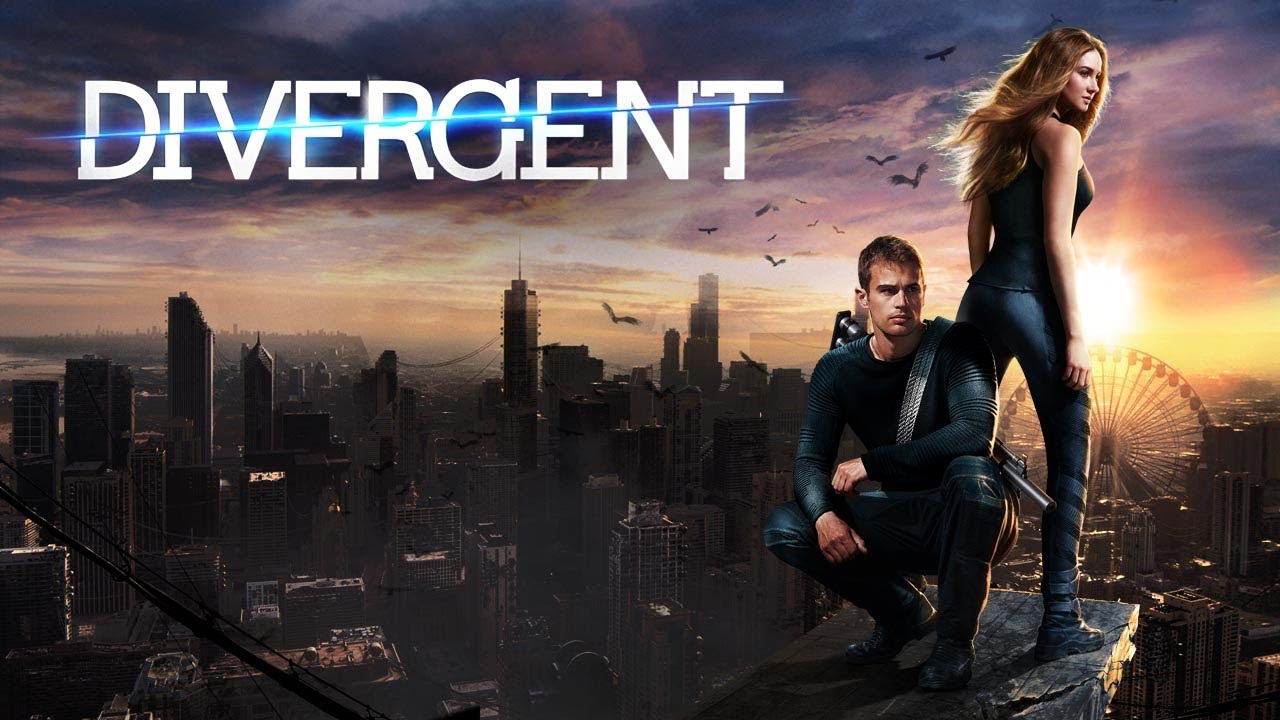
Most Popular Thriller Feature Films On IMDB
Chappie (2015)


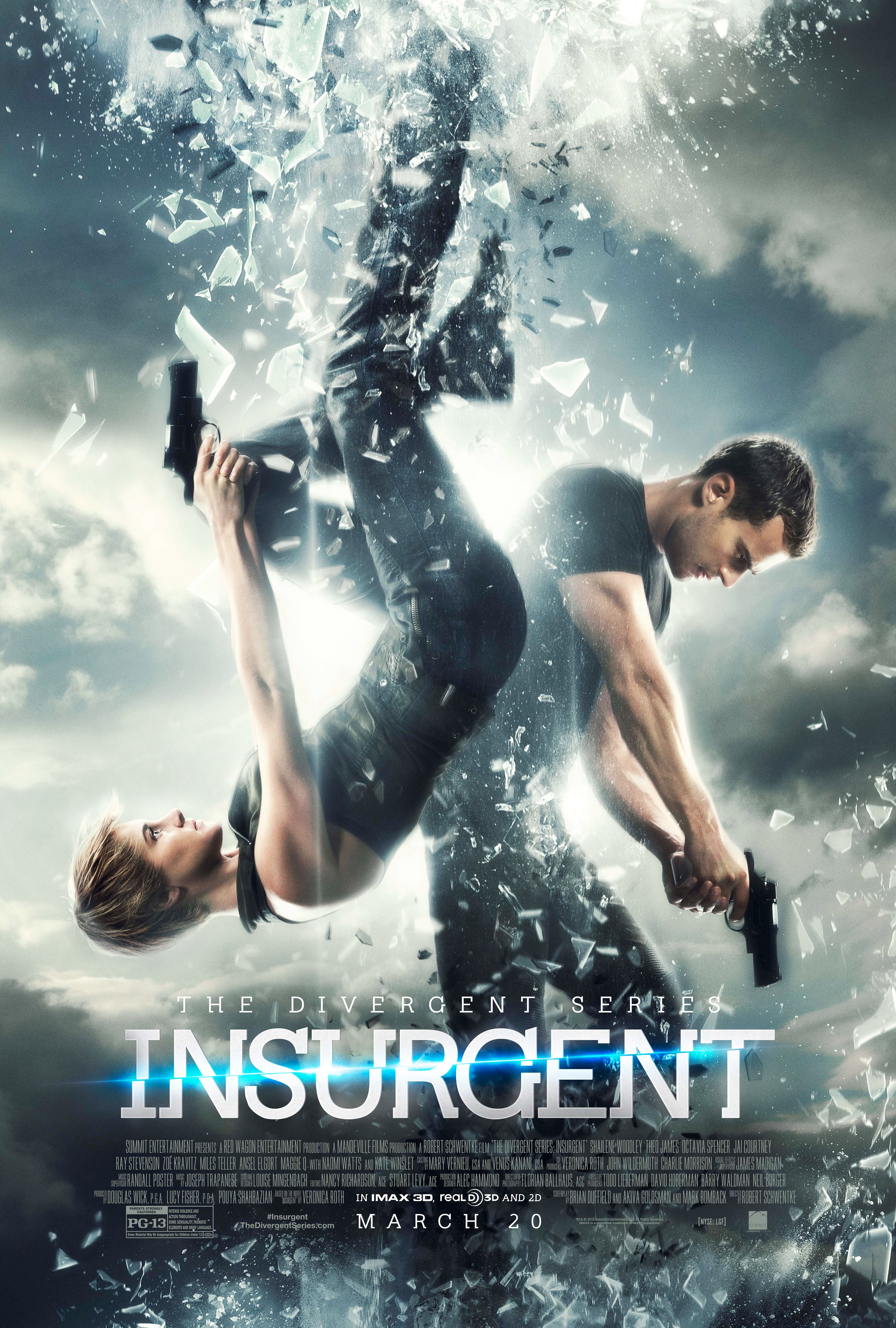
Insurgent (2015)


Run All Night (2015)


The Imitation Game (2014)


Furious 7 (2015)


San Andreas (2015)


Gone Girl (2014)


Divergent (2014)


The Forger (2014)


Nightcrawler (2014)


Top-US-Grossing Thriller Films According To IMDB
The Dark Knight Rises (2012) - $448M


Jurassic Park (1993) - $402M


Skyfall (2010) - $304M


The Sixth Sense (1999) - $294M


Inception (2010) - $293M


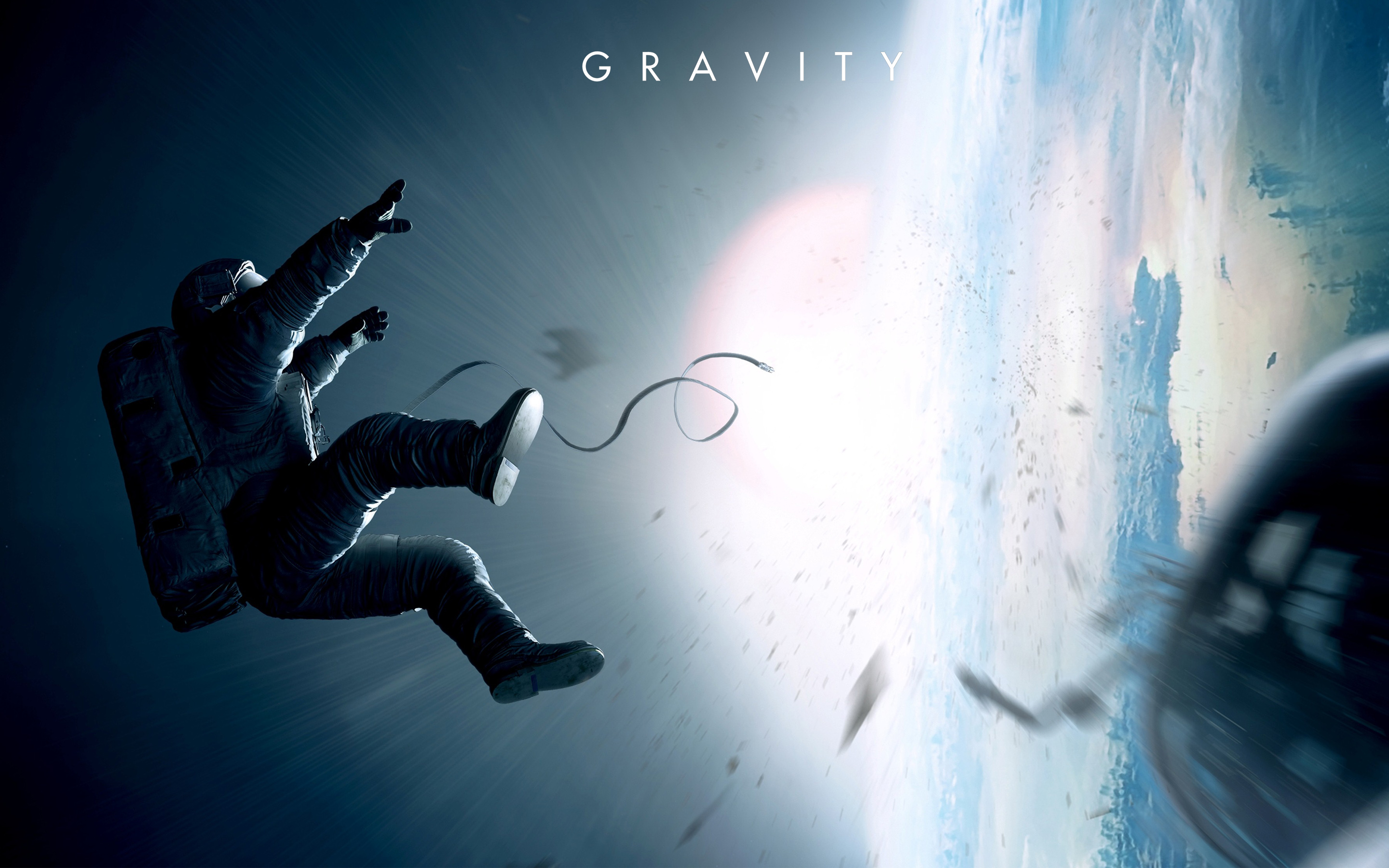
Gravity (2013) - $274M


Jaws (1975) - $260M


I Am Legend (2007) - $256M


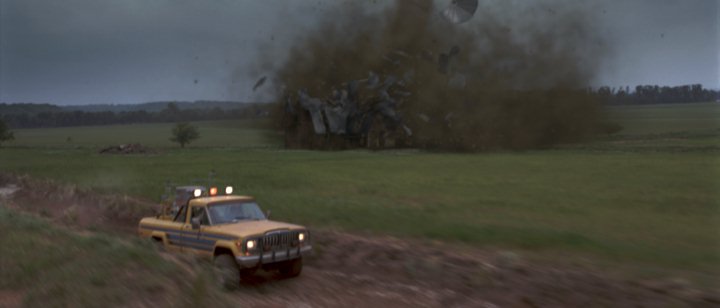
Twister (1996) - $242M


Fast & Furious 6 (2013) - $239M


This will help me when it comes to making my film as it indicates the most popular aspects of thrillers; a combination with action, extensive use of special effects and an emotional hook for the viewer. From this, I can decipher what I should attempt to include in my own film.

Saturday, 14 March 2015

G321 - Why Re-make Resident Evil: Afterlife?

Re-making a film opening will give us a better understanding of how film openings are constructed in preparation for when we make our own. It will give us practice with the equipment and software that we will be using for our openings and allow us to apply what we learn to the creation of them. By re-making a film opening it will help us recognise the importance of storyboards/ shot lists and it will allow us to see how different camera angles and editing effects are used to help replicate and direct the genre. We chose to remake the opening to Resident Evil as it uses a selection of camera angles and different shots to set the scene; something we wanted practice before we made our own. We also found the title sequence interesting and due to being a thriller we thought that if we were able to replicate this it would put us in better stead for when we make our own opening.

The Original Opening


Friday, 13 March 2015

G321 - Independent vs Mainstream Film Openings

Mainstream films are films which are released widely amongst cinemas, sometimes even being shown on two screens in the same cinema. Mainstream films will have much larger audiences and therefore tend to have much more generic narratives.

Mainstream films will usually have much larger budgets than independent films and this is usually evident through equipment use, casting and special effects. This is evident from the film openings themselves as modern mainstream productions tend to have animated openings that give the audience an overview of the film's narrative, such as Casino Royale:


Independent films are films which are usually created for a more niche audience. They usually have much lower budgets than mainstream films and their narratives tend to be more diverse and specialist. Independent films will often be stylised in a way which reflects the films narrative and creators must overcome the restrictions placed upon the film's lower budget. The opening titles for an independent film are more likely to be a part of the first scene rather than a separate sequence, such as in Lost In Translation:


This research will help me when it comes to making my own film opening as it will allow me to determine what style of film opening to create. Due to being an independent institution, we do not have the funding required to create an animated opening and therefore will opt for a live-action style opening instead. Further to this, we will use the opening to reflect the film's diverse narrative as well as indicating the film's genre.

G321 - Audience Profiles

The majority of audience members are attracted to specific genres of films more than others. This is only natural, however it often becomes apparent in the media that films in specific genres attract a very similar demographic. For example, the highest grossing genre in the UK is Comedy.

Thriller
Thrillers tend to be aimed at both genders aged between 25 and 45 as these age groups are most likely to be interested by complex and sometimes hard-to-follow narratives. They are usually enjoyable for all social classes, giving them more opportunity for larger profits. An example of a thriller film is The Butterfly Effect:


Romance
Romance films tend to be aimed at females between the ages of 18 and 35. They are usually focused around people from the middle to upper class, making them more enjoyable for these classes. An example of a romance is Romeo and Juliet:


Action
Action films tend to be aimed at males between the ages of 25 and 40. They are enjoyable for all social classes making them open for wider sales and larger profits. An example of an action film is Casino Royale:


I asked a group of 10 people about the genres of films they watch, their favourite film genre and the film genres they just cannot stand. The charts below show my findings:


This has helped me to decide which genre is most likely to be successful within specific demographics. For example, I know that if choosing to produce a Horror film I should avoid aiming it at young teens as the majority of teens asked do not enjoy horror films and therefore it would be incredibly difficult to entice this demographic to see the film.


G321 - How Films Attract Audiences

Film openings are used to attract audiences in two different ways. The first of these is through spoon-feeding of information via the Hypodermic Needle Theory which prevents the audience from having to concentrate on what is being shown to them. When Hypodermic Needle Theory is used, the audience are likely to be attracted through intriguing images extravagant yet simple narratives. The second potential method is through use of the Uses and Gratifications Theory which relies upon the participation of the audience to be understood and accepted. When Uses and Gratifications Theory is applied, the audience are more likely to be attracted by more diverse and harder to understand narratives which require attention. The chosen method used by specific film openings will help to establish genre and give the audience an idea of what to expect from the film.

Child's Play 3 (1991) - Horror/ Mystery/ Thriller
Child's Play 3 has been accused of adopting the Hypodermic Needle Theory and it was suggested by many UK tabloid newspapers that the film itself was what caused 10-year-olds Jon Venables and Robert Thompson to torture and murder 2-year-old James Bulger. However, there has never been any evidential proof towards either boy ever seeing the film. Despite this, it is clear to see how it could be interpreted that Child's Play 3 adopts the Hypodermic Needle Theory due to the highly graphic images used to introduce the film which appear to be shown too early in a film applying the Uses and Gratifications Theory.


Up (2009) - Animation/ Adventure/ Comedy
Up is an example of a film which employs the Uses and Gratifications theory to cause the audience to understand the differences between the character's families/ upbringings and how this has affected their personalities. This allows the audience to feel emotionally attached to the characters, causing them to feel sympathetic towards the protagonist. This is important as without this understanding the film's narrative would be significantly lacking in meaning.


This information will help me when it comes to creating my own film as it will allow me to concentrate on whether I want my audience to focus on the narrative of the film and take something helpful away from it, rather than being drip-fed information. Further to this it highlights the dangers of Hypodermic Needle Theory, and therefore has put me off the idea of adopting this approach in terms of my own film.